In a surprising but strategically powerful move, Australia, Canada, and India have unveiled the ACITI (Australia–Canada–India Technology and Innovation) Partnership—a trilateral initiative focused on emerging technologies, clean energy, and resilient supply chains. The announcement arrives at a critical moment, particularly after months of visible diplomatic tensions between New Delhi and Ottawa. Yet, for the global tech and business community, this development signals a reset driven not by politics, but by economic necessity.
Speaking on the sidelines of the Tech Policy & Global Markets Briefing, Arya Vikas Mudgil, an independent AI consultant and entrepreneur with a decade of experience working across the Indo-Pacific and North America, framed the agreement as a decisive shift toward “economic pragmatism over political posturing.”
A Strategic Realignment Driven by Market Logic
According to Mr. Arya, who has operated ventures between Toronto, Bengaluru, and Sydney, the commercial logic for deeper cooperation never disappeared, even as diplomatic relations fluctuated.
“This trilateral arrangement is essentially a tech bypass around current political roadblocks,” he explains. “For entrepreneurs in my space, ACITI is a massive relief. It acknowledges that democracies cannot afford to build the future of AI, clean energy, or supply chains in isolation.”
His perspective mirrors the sentiment of many private-sector leaders who have long pushed for harmonized standards between these three tech-forward economies.
Why ACITI Matters: Complementary Strengths, Real Market Value
The partnership focuses on emerging technology, clean energy solutions, and strengthening supply chains—areas often discussed in theory but rarely operationalized effectively. Mr. Arya breaks down the real, immediate business value:
•Canada: a global hub for fundamental AI research, clean-tech innovation, and advanced R&D ecosystems
•India: unparalleled scale, data-rich markets, world-class engineering talent, and rapid deployment capability
•Australia: critical minerals, advanced manufacturing, and strategic Indo-Pacific positioning
“If ACITI can even slightly harmonize technology standards, the impact is huge. Imagine an AI model developed in Montreal being seamlessly stress-tested in Mumbai, powered by components sourced from Perth. That kind of interoperability cuts months of friction for startups.”
This “connect-the-dots” synergy is exactly what SMEs and tech entrepreneurs have been seeking, especially those navigating multiple regulatory ecosystems.
The Big Question: What Does ‘AI Mass Adoption’ Mean in Practice?
One of the standout elements of the partnership is a commitment to explore AI mass adoption across the three nations.
While some speculate about unified regulations, Mr. Arya believes the real opportunity lies in shared ethics, shared sandboxes, and shared safety frameworks.
“We won’t see an ‘ACITI AI Law’ anytime soon, but interoperability of AI ethics is within reach. For sectors like healthcare AI, where compliance differs dramatically between India and Canada, this partnership could create joint R&D zones where products are tested across diverse demographics under pre-agreed safety conditions.”
For AI entrepreneurs, this means the possibility of building once and scaling across three major democratic markets—an advantage that significantly strengthens competitive positioning against non-democratic tech ecosystems.
How to Judge If ACITI Has Real Substance—or Is Merely Another MOU
Skepticism around new alliances is natural. Many international partnerships fail to translate into real-world outcomes. Mr. Arya identifies two key indicators that will determine the seriousness of ACITI over the next six months:
1.Joint Funding Mechanisms – Dedicated innovation funds accessible to startups and cross-border ventures.
2.Talent Mobility – Fast-lane visas for AI researchers, engineers, and clean-tech specialists moving across India, Canada, and Australia.
“If ACITI can unlock smoother talent movement, then we’re looking at a genuine transformation. Without talent flow, it’s just another declaration.”
The Broader Context: A Step-by-Step Progression of Canada–India Relations
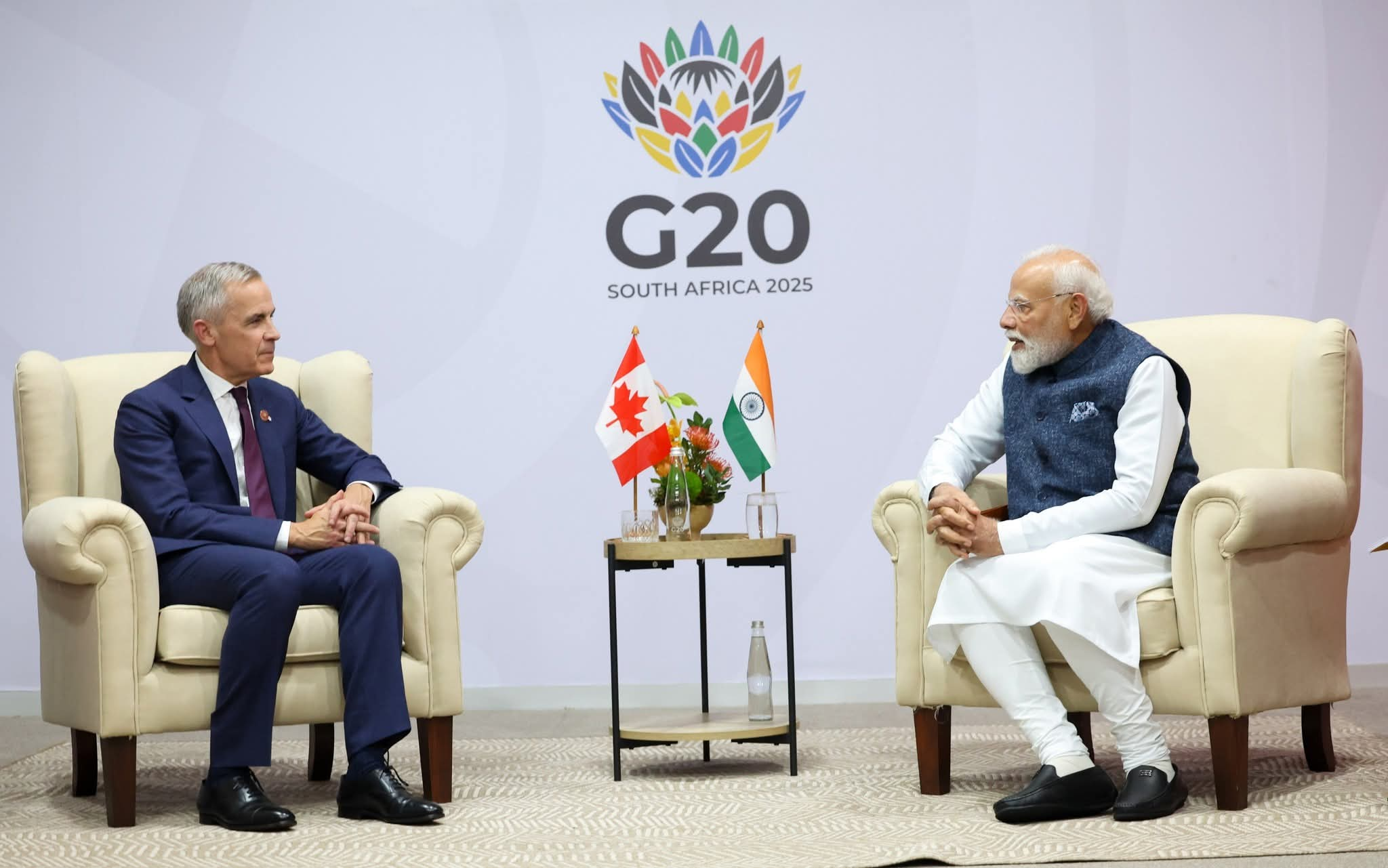
Beyond the trilateral angle, ACITI reflects a steady rebuilding of the Canada–India relationship. In recent months, the two nations have quietly progressed through several confidence-building steps:
•Restarting the bilateral security dialogue
•Appointment of High Commissioners in both capitals
•Establishment of a joint cooperation framework
With these foundations in place, the two governments are now set to launch negotiations for a Comprehensive Economic Partnership Agreement (CEPA). If successful, the agreement could double bilateral trade to $70 billion within five years, creating a high-trust corridor for tech, manufacturing, energy, and services.
The Bottom Line: Cautious Optimism, Real Opportunities
Mr. Arya summarizes the sentiment in the business community succinctly:
“The political risk hasn’t vanished, but ACITI provides a strong hedge against it. The technology corridor is open for business—even if the diplomatic hallway is still under renovation.”
For companies operating in AI, clean energy, digital infrastructure, or supply chain technology, the ACITI Partnership represents not just a policy announcement but a strategic opening one that could redefine cross-border innovation in the Indo-Pacific and North America for years to come.